
8 Best Modern ECommerce Frameworks for Web Development

• 10 min
I am the CEO of Fively and the co-founder of DogQ. I share my thoughts about the web development industry from the point of view of a business owner and a senior engineer with 10+ years of experience.
By developing an eCommerce website, you take an important step towards delivering a relevant customer experience. If your business is ready for custom development solutions to maintain a unique user experience, you must wonder what technical tools could provide them. And that’s where the question of the best eCommerce framework arises.
In this blog post, we will consider the most popular variants that you could adopt for developing your online stores.
Key Takeaways
• ECommerce frameworks are collections of libraries, tools, conventions, and reusable components that give developers a structured foundation for building custom online stores and commerce applications.
• Custom development frameworks such as Angular, React.js, Laravel, Django, Ruby on Rails, and ASP.NET Core provide more architectural freedom, but they also require a development team to build and maintain the commerce experience.
• Ready-made eCommerce platforms such as Shopify, Magento, WooCommerce, and OpenCart provide commerce-specific functionality out of the box and can shorten the path to launch.
• Frontend frameworks focus on the customer-facing interface, while backend and full-stack frameworks handle business logic, databases, APIs, security, and integrations.
• The right choice depends on your business model, catalog size, traffic, integrations, customization requirements, internal technical expertise, budget, and plans for future scaling.
Variety of Frameworks
Custom development frameworks
A framework is a set of modules, libraries, and tools that simplifies and streamlines the software development process.
E-commerce frameworks save time, prevent many programming errors, eliminate repetitive code, and allow developers to perform advanced tasks without spending a lot of time on them. They are usually developed and tested by a community of tech professionals, which means support and friendly advice in case of getting stuck.
Every such framework is based on a specific programming language and works better for certain purposes. For example, Java, Ruby, Dart, and JavaScript specialists write their specialized electronic commerce frameworks and tools of eCommerce, but they can’t interchange with each other. It means that one can be better for mobile or web development. Another important gradation is frontend frameworks for UI and UX, backend frameworks for security and data management, full-stack frameworks covering both client and server-side, and microframeworks.
Moreover, choosing the fitting framework can greatly affect your budget for the eCommerce project, that’s why it’s important to make the right decision both from the technical and business sides. Let’s consider the best eCommerce frameworks which are most suitable for online store development with an explanation of their benefits to this business model.
Angular
Angular is an open-source, TypeScript-based front-end framework maintained by Google. For eCommerce projects, it is especially useful when the storefront behaves more like a complex web application than a simple catalog: customer accounts, dashboards, dynamic product configuration, and other interaction-heavy experiences. Its component architecture, routing, forms, testing tools, and long-term support cycle make it a strong choice for large teams, although Angular usually introduces more structure and learning overhead than lighter UI libraries.
Pros:
• Structured architecture for large teams and long-lived applications
• Strong TypeScript support and mature tooling
• Reusable components, forms, routing, and testing tools included
Cons:
• Steeper learning curve than lighter frontend options
• Can be excessive for small or content-first storefronts
Best for: Large-scale, interaction-heavy storefronts and enterprise commerce applications.
Examples: Google Store (Angular has been used in parts of its web experience); exact current storefront implementation may vary.
Ruby on Rails
Ruby on Rails is a mature full-stack web framework built around the Ruby language and convention-over-configuration principles. Its large ecosystem of gems, built-in database tooling, background jobs, caching, testing support, and security protections can help teams deliver custom commerce applications quickly. Rails is particularly attractive for startups and product teams that value rapid iteration and a cohesive backend stack, although hiring availability may be narrower than for JavaScript or PHP ecosystems.
Pros:
• Convention-over-configuration speeds up development
• Mature ecosystem and built-in full-stack capabilities
• Strong defaults for common web security concerns
Cons:
• Smaller hiring pool than JavaScript/PHP in many markets
• May require careful optimization for very high-load workloads
Best for: Startups and custom commerce products where fast iteration matters.
Examples: Shopify (its core platform has a long-standing Ruby on Rails foundation); Spree Commerce-powered stores.
 Services Account

React.js
React.js is a JavaScript library for building user interfaces from reusable components. In eCommerce, it is widely used for fast, interactive storefronts, product configurators, customer portals, and headless commerce front ends. Its component model helps teams reuse interface logic across the store, while the broader React ecosystem provides many options for routing, server rendering, state management, and integrations. Because React focuses on the UI layer rather than providing a complete backend, teams usually combine it with a separate commerce platform, API, or server-side framework.
Pros:
• Large ecosystem and developer community
• Reusable component model
• Works well with APIs and headless commerce architectures
Cons:
• Not a complete eCommerce or backend framework on its own
• Architecture choices can become fragmented without clear standards
Best for: Headless commerce, custom storefronts, and highly interactive shopping experiences.
Examples: Shopify Hydrogen storefronts, Nike digital shopping experiences, and custom React-based commerce frontends.
Laravel
Laravel is a PHP framework based on the principles of object-oriented programming (OOP) and using the model-view-controller (MVC) pattern. This open-source eCommerce framework provides easy troubleshooting due to self-contained objects and flexibility through the creation of a few functions that can be adapted to different classes. Besides, Laravel can guarantee unprecedented site security due to a native protection against SQL injection and XSS attacks. The framework also offers easy third-party integration, which is essential for eCommerce stores as they work together with payment systems, analytic tools, and mail services.
Pros:
• Fast development with expressive APIs and strong ecosystem
• Built-in support for queues, jobs, testing, and database access
• Good fit for custom APIs and third-party integrations
Cons:
• Complex applications still require disciplined architecture
• Performance and scaling depend heavily on implementation and infrastructure
Best for: Custom PHP stores, marketplaces, admin systems, and integration-heavy commerce products.
Examples: Bagisto-powered online stores and Bagisto marketplace implementations (built on Laravel).
Django
Django is a Python eCommerce framework with a large feature set of more than 10,000 packages and many support options. The framework uses a component-based architecture providing a high separation between the parts so that developers can create scalable solutions. In addition to that, Django provides ready-made code pieces for basic operations and promotes creating reusable applications from related functionality. These features make the framework fast and time-saving.
Pros:
• Rapid development with many built-in features
• Strong security defaults
• Excellent fit for data processing and Python-based services
Cons:
• Less commerce-specific out of the box than dedicated platforms
• Frontend usually requires a separate approach for highly interactive stores
Best for: Data-heavy commerce products, custom workflows, and teams already using Python.
Examples: Saleor-based commerce projects (Python/Django backend); custom Django-powered online stores.
ASP.NET Core
.NET is a scalable and robust eCommerce framework for building web apps, which allows its users to create interactive, high-performance, and scalable solutions. According to Statista, ASP.NET Core is now the 6th most popular framework among development companies, including such giants as Accenture and IBM. Thanks to the ASP.NET eCommerce framework, eCommerce enterprises can create rich and dynamic web pages, interactive B2C solutions, and manage their products real-time.
Pros:
• High performance and strong scalability
• Mature enterprise tooling and security capabilities
• Excellent integration with existing .NET services and Microsoft infrastructure
Cons:
• Can be heavier than necessary for small stores
• Requires experienced .NET developers for best results
Best for: Enterprise eCommerce, complex B2B logic, and organizations using the Microsoft/.NET ecosystem.
Examples: nopCommerce-powered stores (ASP.NET Core), including custom B2B and multi-vendor commerce implementations.
Ready-made eCommerce Platforms
Custom frameworks give development teams maximum control, but not every store needs to assemble commerce functionality from the ground up. Ready-made eCommerce platforms provide catalog management, checkout, order processing, extensions, themes, and other store features out of the box. They are usually faster to launch, while the trade-off is greater dependence on the platform’s architecture, hosting model, plugin ecosystem, or licensing rules.
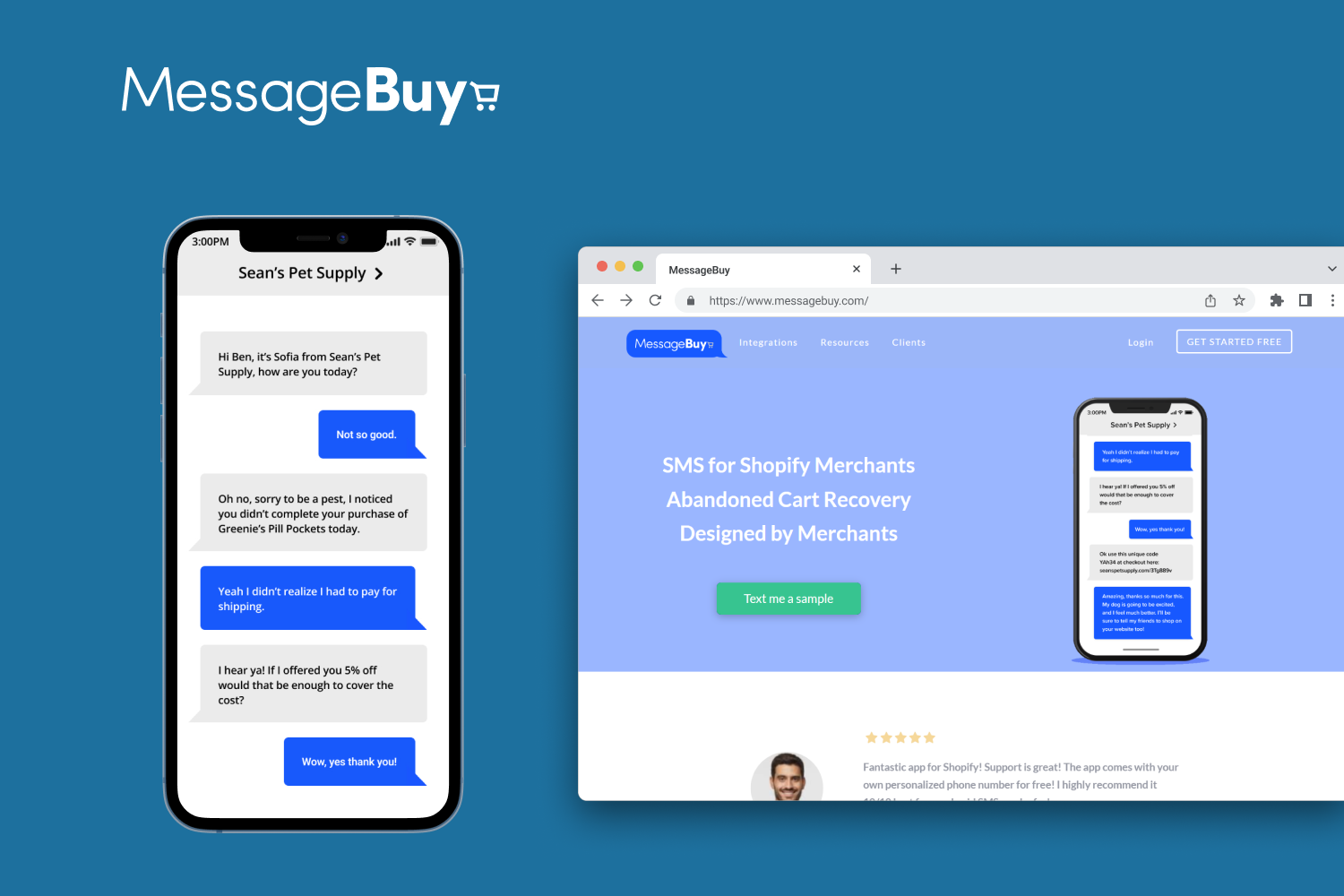
Shopify
Shopify is a fully hosted commerce platform that combines storefront hosting, checkout, product and order management, payments, themes, and a large app ecosystem. It reduces infrastructure work and is particularly attractive when a business wants to launch quickly without operating its own commerce backend. Custom storefronts and integrations are still possible, but deep platform behavior remains governed by Shopify’s APIs and product model.
Pros:
• Hosting, security updates, and core commerce infrastructure are managed
• Large app and partner ecosystem
• Fast setup with mature checkout and store-management tools
Cons:
• Recurring subscription and app costs
• Deep customization can be constrained by platform rules and APIs
Best for: Small to mid-size brands, DTC stores, and teams that value fast launch and low infrastructure overhead.
Examples: Allbirds, Gymshark, and SKIMS.
 Services Account
Magento
Magento Open Source and Adobe Commerce are designed for stores that need extensive catalog, merchandising, B2B, multi-store, and integration capabilities. Magento Open Source can be deployed on infrastructure selected by the merchant, while Adobe Commerce also offers managed cloud infrastructure. The platform is highly customizable, but that flexibility comes with greater development, hosting, upgrade, and operational complexity.
Pros:
• Deep customization and rich commerce functionality
• Strong multi-store and B2B capabilities
• Large extension and implementation ecosystem
Cons:
• Higher development and maintenance complexity
• Infrastructure and upgrades require experienced specialists
Best for: Large catalogs, B2B commerce, multi-store setups, and enterprises with complex customization requirements.
Examples: Adobe Commerce customer implementations such as HP and Helly Hansen (historical examples; deployments can change).
WooCommerce
WooCommerce is an open-source commerce solution built for WordPress. It turns an existing WordPress site into an online store and is especially useful when content, SEO, publishing, and commerce need to live in the same ecosystem. Merchants choose their own hosting and can extend the store through themes and plugins, which provides flexibility but also makes plugin quality, updates, performance, and security part of the owner’s operational responsibility.
Pros:
• Open-source and highly customizable
• Natural fit with WordPress content and SEO workflows
• Large theme and extension ecosystem
Cons:
• Store quality can depend heavily on hosting and plugin choices
• Complex plugin stacks can increase maintenance and compatibility work
Best for: Content-driven stores, SMBs, and companies already invested in WordPress.
Examples: Nutribullet, La Marzocco, and Landyachtz.
OpenCart
OpenCart is a free, open-source eCommerce platform focused on straightforward store management, including products, customers, orders, taxes, coupons, SEO features, extensions, and themes. Businesses can self-host it or use OpenCart Cloud. It is lighter than many enterprise commerce platforms, making it practical for smaller teams that want ownership of their store without building commerce functionality from scratch.
Pros:
• Free and open-source core
• Built-in store-management functionality
• Extension and theme marketplace plus optional hosted cloud offering
Cons:
• Smaller ecosystem than Shopify or WooCommerce
• Complex enterprise requirements may demand significant custom development
Best for: Small to mid-size stores that want an open-source platform with relatively simple store management.
Examples: OpenCart-based independent retail stores and multi-vendor implementations; publicly verifiable major-brand examples are limited.
Choosing the Right eCommerce Platform
Finding the right eCommerce technology is a strategic decision, whether you are choosing a custom development framework or a ready-made platform. Start by defining your store’s business model, expected traffic, catalog complexity, integrations, checkout requirements, internal technical resources, and the level of customization you need. Then compare options not only by launch cost, but also by long-term ownership, maintenance, scalability, and how easily the architecture can evolve with the business.
Andrew Niadvetski, full-stack software development specialist at Fively:
The best e-commerce stack is the one your team can maintain when catalogs grow, integrations fail, and checkout traffic spikes, not just the one that makes the first demo look good.
 Services Account
Need Help With A Project?
Drop us a line, let’s arrange a discussion
Frequently Asked Questions
There is no universal best option. For a small business that wants to launch quickly with minimal infrastructure work, a ready-made platform such as Shopify or WooCommerce is often more practical than a fully custom framework stack. If the store has unusual workflows, integrations, or a product experience that standard platforms cannot support, a custom stack such as React with Laravel, Django, Rails, or another backend can provide more flexibility.
Frontend frameworks and libraries shape what customers see and interact with: product pages, search, filters, carts, account areas, and other UI elements. Backend frameworks handle server-side business logic such as products, inventory, pricing, users, orders, payments, databases, APIs, and integrations. Many modern stores use both, while full-stack frameworks cover significant parts of both layers.
An eCommerce framework is a development foundation: developers use its libraries, conventions, and tools to build a custom application. An eCommerce platform is a more complete commerce product that already provides features such as catalog management, checkout, orders, and store administration. Frameworks usually offer greater architectural freedom; platforms generally offer a faster route to a working store. We hope this guide helps you narrow down the right technology for your eCommerce project. If you need a team of qualified developers with experience in custom marketplaces, headless commerce, platform integrations, or Shopify development, Fively can help you evaluate the options and estimate the project.


