
20 SaaS & Micro SaaS Ideas to Build a Product in 2026

• 17 min
I am the CEO of Fively and the co-founder of DogQ. I share my thoughts about the web development industry from the point of view of a business owner and a senior engineer with 10+ years of experience.
Discover 20 SaaS and micro SaaS ideas for 2026, from AI workflow agents and vertical SaaS to CRM, fintech, healthcare, HR, e-commerce, and property management products.
It has never been easier to build software, than now, and that makes choosing the right SaaS idea even harder. The strongest SaaS startup ideas are rarely “another all-in-one platform.” They are focused products built around an expensive, repetitive, or frustrating workflow: compliance paperwork for one industry, AI-assisted sales handoffs, property operations, billing for a niche, or a tool that replaces three spreadsheets and five manual reminders.
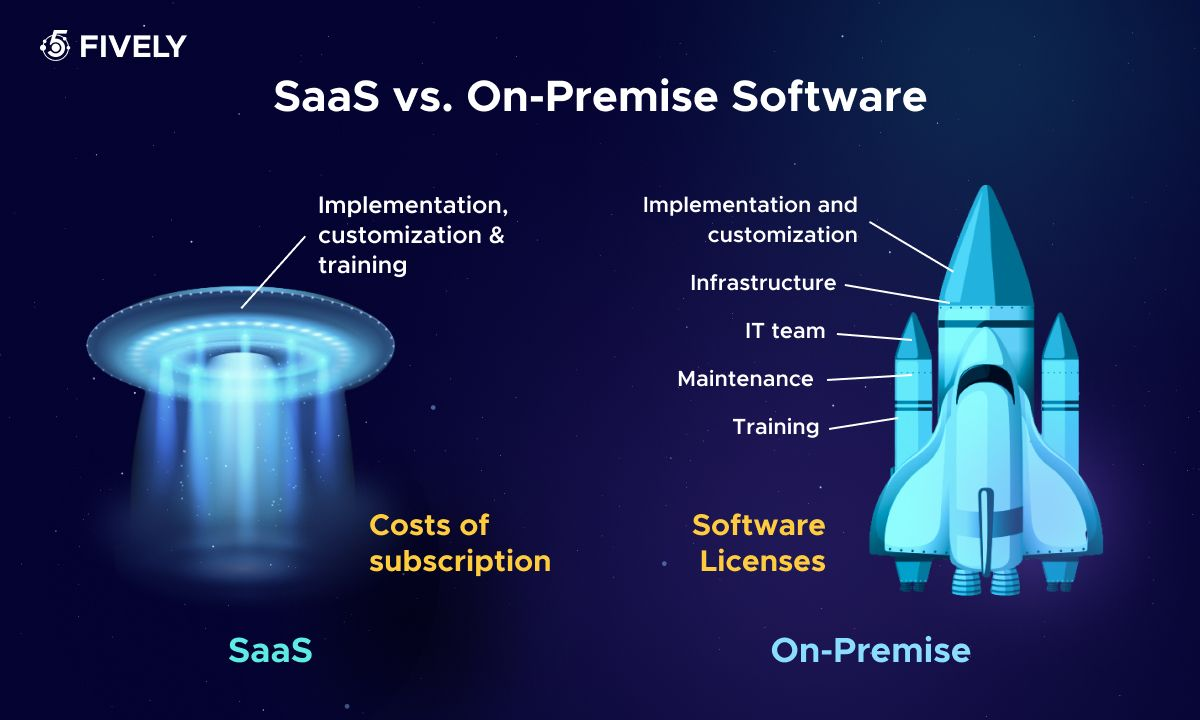
Is Micro SaaS profitable? How do I find good Micro SaaS ideas for my startup? If you are asking yourself these questions, our article is for you: we collected the most interesting and lucrative micro-SaaS ideas to implement in different industries, including eCommerce, Real estate, Finance, Healthcare, HR, Marketing, and more. Below are 20 SaaS and micro SaaS product ideas worth exploring in 2026.
Pick Your SaaS Lane
A useful rule by Fively: choose the lane where you understand both the workflow and the buyer. Technical novelty is optional; distribution and a painful problem are not.
Benefits of Focused SaaS Products for Small Businesses
Micro SaaS still matters in 2026, but the opportunity is broader than the term itself. A small team can now build a focused B2B SaaS product that serves a narrow segment without trying to become the next Salesforce. The advantages are practical:
- Lower initial scope: a narrow workflow requires fewer features, integrations, and edge cases than an all-in-one platform.
- Faster validation: founders can test the riskiest assumption with an MVP before committing to a large roadmap.
- Clearer positioning: “billing and notes for solo therapists” is easier to understand than “AI productivity platform.”
- More efficient customer acquisition: a defined niche gives you specific communities, keywords, partners, and outbound lists.
- Higher workflow stickiness: focused B2B tools can become difficult to replace once they hold recurring operational data.
- Room for automation: AI can now handle classification, extraction, summarization, drafting, and multi-step workflows that previously required large teams.
- Recurring revenue: subscriptions, usage-based billing, and hybrid pricing make revenue easier to forecast when the product delivers repeat value.
20 Best SaaS Ideas for 2026
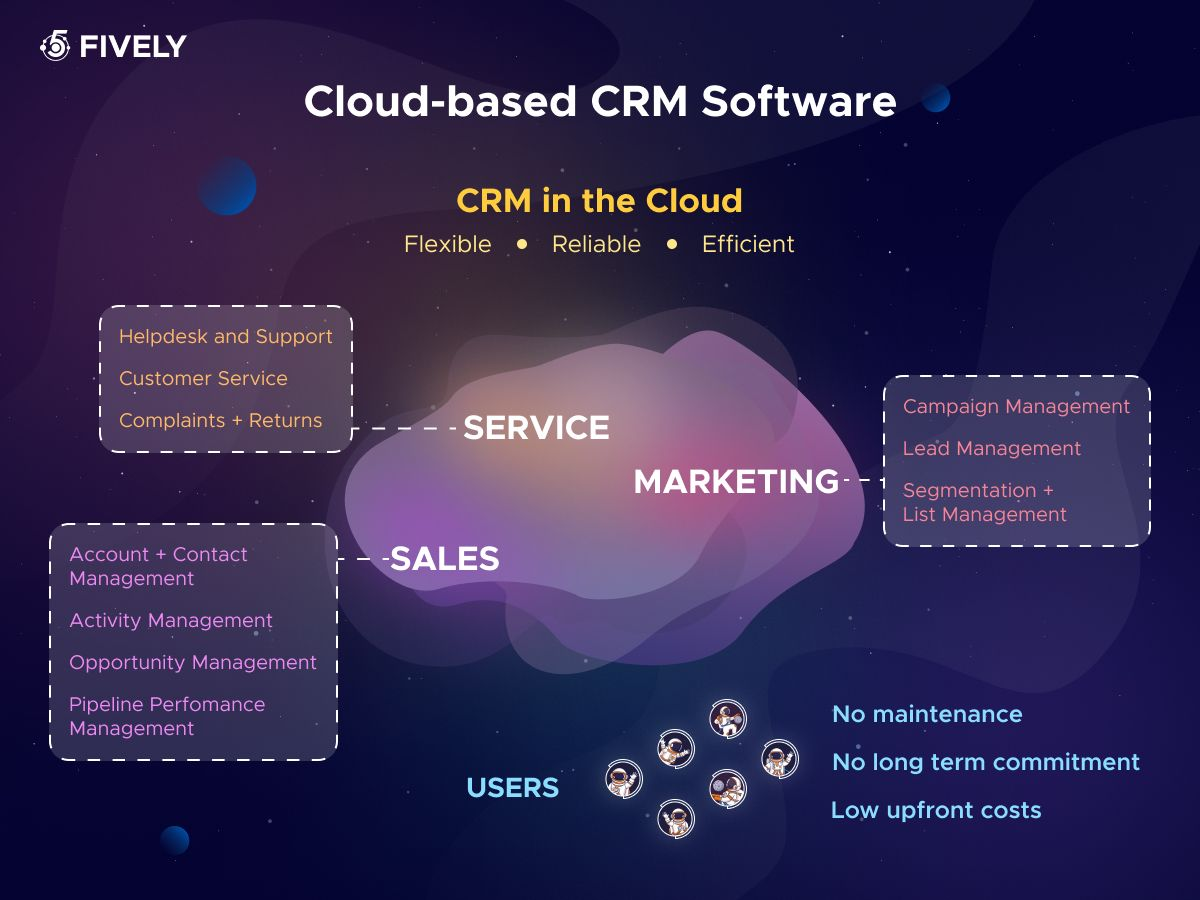
1. Niche CRM for Service Businesses
Problem: Generic CRMs often force small service companies to adapt their workflow to the software. A roofing contractor, boutique agency, immigration consultant, and equipment installer may all need leads and pipelines, but their stages, documents, reminders, and follow-ups are different.
Solution: Build a lightweight CRM around one vertical. Include industry-specific pipelines, automated follow-ups, quote or document templates, client portals, and integrations with email, calendars, payments, or messaging.
Why now: Horizontal CRM is mature, but many SMBs still run important processes in spreadsheets because enterprise tools feel oversized. AI also makes automatic note capture, lead summaries, and follow-up drafting inexpensive to add.
Best for: Agencies, home-service companies, consultancies, recruiters, brokers, niche B2B providers.
Monetization: $29–$149/month per company, with higher tiers for automation, integrations, or additional users.
Difficulty: Medium. CRM basics are straightforward; differentiation, migration, and integrations are the real work.
2. Accounting and Billing SaaS for a Specific Niche
Problem: Small companies lose time moving data between invoices, spreadsheets, payment providers, and accountants. Generic accounting software may still require manual steps for industry-specific billing.
Solution: Create a billing layer for one niche: recurring invoices, usage-based charges, deposits, tax-ready exports, overdue reminders, expense capture, and a clean accountant handoff.
Why now: Subscription and usage-based business models are spreading beyond traditional SaaS, while SMBs increasingly expect automated payment and reconciliation workflows.
Best for: Freelancers, agencies, clinics, property managers, training businesses, subscription services.
Monetization: Subscription plus optional payment or transaction fee.
Difficulty: Medium-High. Financial workflows demand accuracy, auditability, and careful integrations.
 Services Account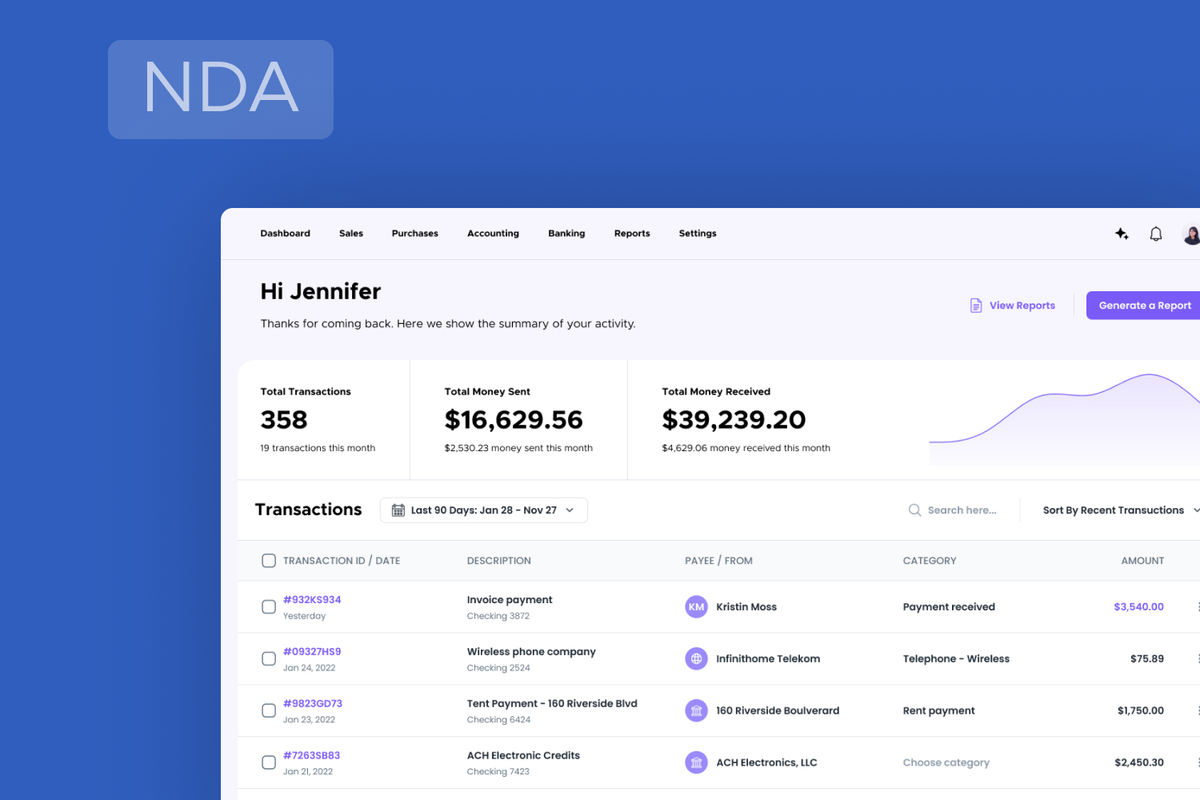
3. Remote Monitoring and Management for SMB IT
Problem: Small IT teams and managed service providers need visibility into devices, uptime, patches, alerts, and recurring incidents without deploying a heavyweight enterprise platform.
Solution: Build a focused RMM product for a specific device class or customer segment, with health monitoring, automated alerts, patch workflows, inventory, and simple reporting.
Why now: Distributed infrastructure, cloud services, and remote devices are normal operating conditions now. Smaller teams still need enterprise-style visibility but often want simpler deployment and pricing.
Best for: MSPs, internal IT teams, distributed SMBs, specialized device operators.
Monetization: Per-device or per-endpoint pricing, e.g. $1–$10/device/month depending on functionality.
Difficulty: High. Agents, permissions, security, cross-platform support, and reliable telemetry increase engineering complexity.
4. Team Password and Access Manager for a Vertical
Problem: Password managers solve credential storage, but niche businesses may also need access handoffs, shared vendor accounts, role-based checklists, and audit trails tailored to their operations.
Solution: Build a secure access workspace that combines credential management with onboarding/offboarding, temporary access, ownership records, and compliance evidence for a specific industry.
Why now: Security expectations are rising even for small businesses, while SaaS sprawl creates more credentials and access relationships to manage.
Best for: Agencies, property firms, clinics, small financial teams, MSP clients.
Monetization: Per-user subscription with business and compliance tiers.
Difficulty: High. Security products require excellent engineering, encryption practices, and trust.
 Services Account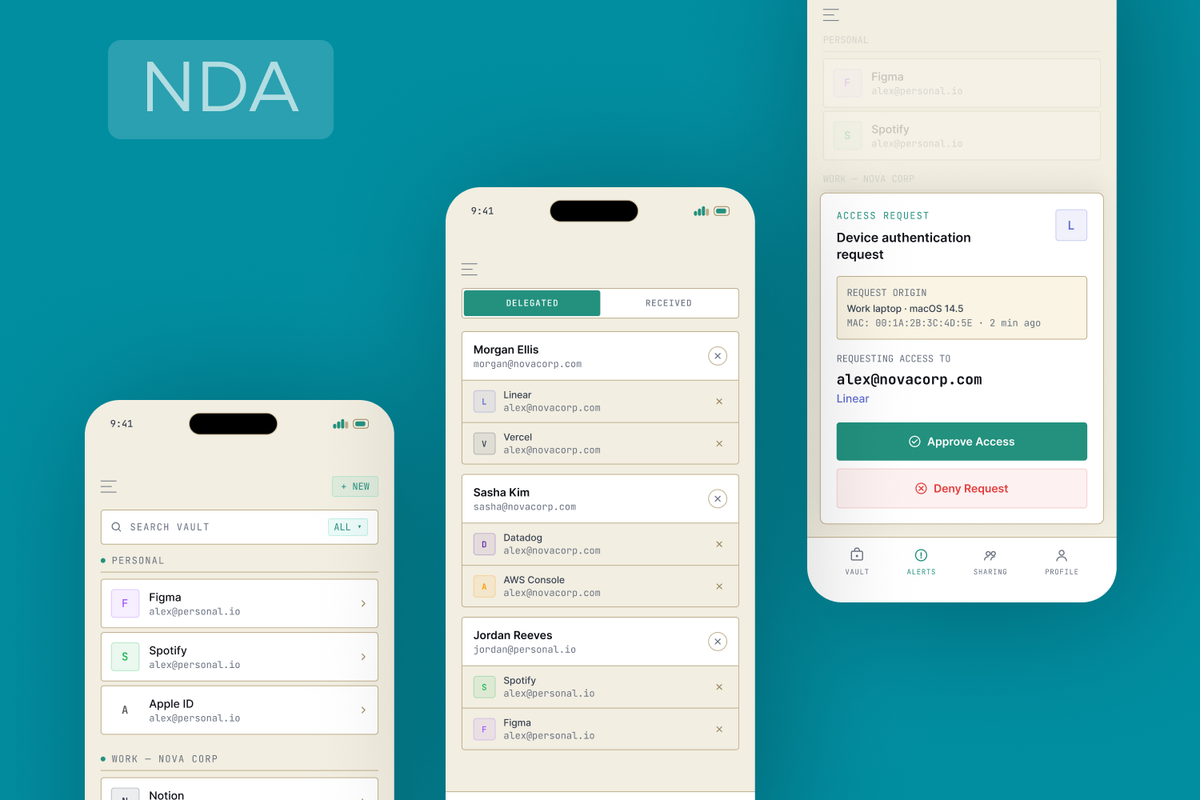
5. Client Communication Hub for High-Touch Services
Problem: Important client communication is fragmented across email, Slack, WhatsApp, calls, and project tools. Teams lose decisions, approvals, files, and context.
Solution: Create a client-facing portal that centralizes conversations, approvals, files, status updates, meeting summaries, and automated reminders. AI can convert discussions into decisions and action items.
Why now: Service businesses want fewer status meetings and cleaner client experiences. Modern AI can summarize long threads and extract next steps without forcing users to manually maintain project logs.
Best for: Agencies, consultants, design studios, legal services, implementation partners.
Monetization: $15–$50/user/month or company plans from $99/month.
Difficulty: Medium. The product is manageable, but notification design and third-party communication integrations need care.
6. Project Management SaaS for One Workflow
Problem: General project management tools are flexible but often require teams to build their own templates, automations, fields, and reporting before the tool reflects how work actually happens.
Solution: Build project management around one repeatable workflow — construction bids, video production, clinical research coordination, localization, audits, or product launches.
Why now: Vertical workflow software can compete on depth rather than feature count. AI can automate project setup, status summaries, risk flags, and handoffs.
Best for: Teams with repeatable project structures and industry-specific milestones.
Monetization: Per-seat or per-project subscription.
Difficulty: Medium. Core PM features are common; domain-specific UX is what creates value.
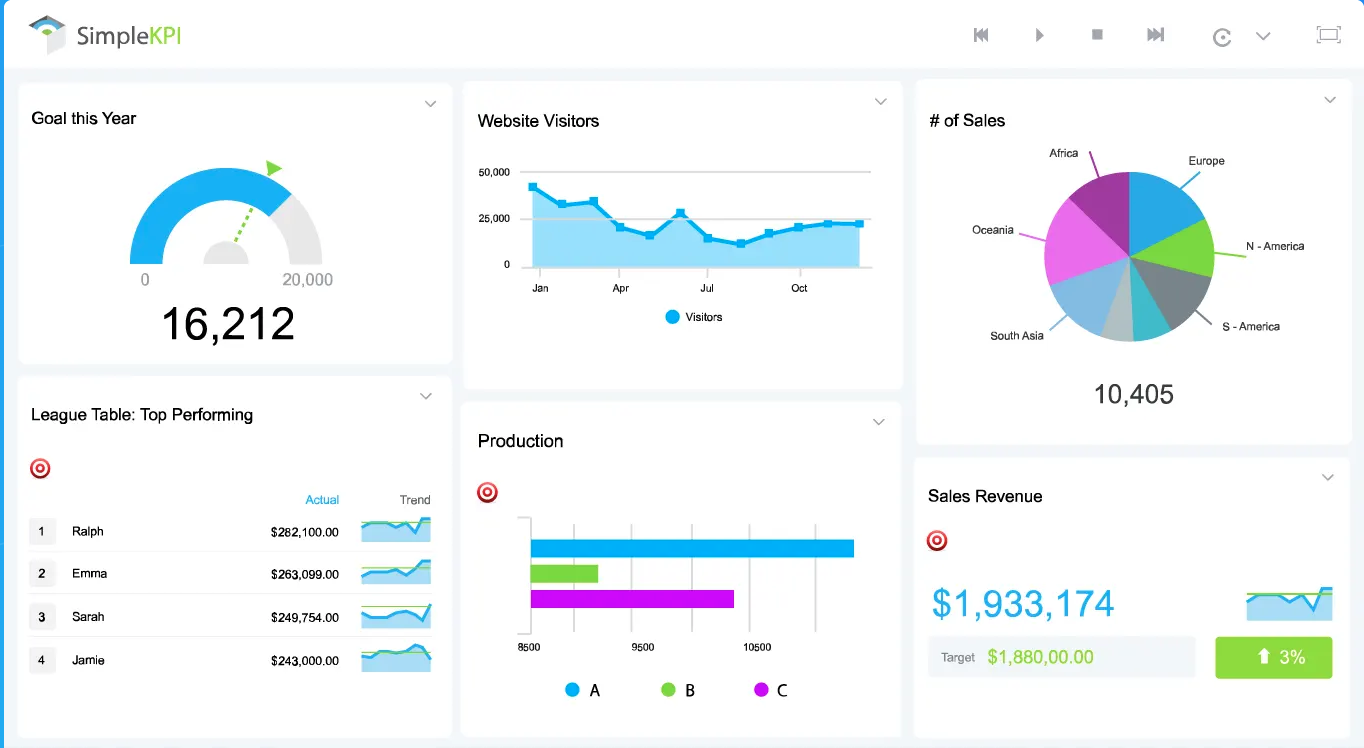
7. KPI Tracking and Executive Reporting Tool
Problem: Small and mid-sized businesses often collect metrics across billing, CRM, analytics, spreadsheets, and product tools. Leadership spends hours assembling recurring reports.
Solution: Create a KPI dashboard that connects a limited set of common data sources, calculates business metrics, tracks targets, and generates weekly narrative summaries.
Why now: Executives increasingly want automated reporting rather than more dashboards. AI can explain changes, but the underlying metric definitions and data quality remain the product moat.
Best for: SMB founders, SaaS teams, agencies, portfolio companies, fractional CFOs.
Monetization: $49–$299/month based on connectors, data volume, and number of entities.
Difficulty: Medium-High. Visualization is easy; reliable data integration and metric semantics are harder.
8. Conversion Rate Optimization Workspace
Problem: Marketing teams have analytics, heatmaps, experiments, session recordings, and surveys, but insights are scattered and prioritization is manual.
Solution: Build a CRO workspace that pulls evidence into one place, identifies friction patterns, creates experiment hypotheses, and tracks the impact of changes.
Why now: AI can now summarize qualitative feedback and behavioral signals at scale, making it possible for smaller teams to run a more disciplined experimentation process.
Best for: E-commerce brands, SaaS growth teams, agencies, landing-page-heavy businesses.
Monetization: $49–$399/month or agency plans based on sites and traffic.
Difficulty: Medium-High. Integrations, attribution, and credible recommendations matter more than generating generic ideas.
 Services Account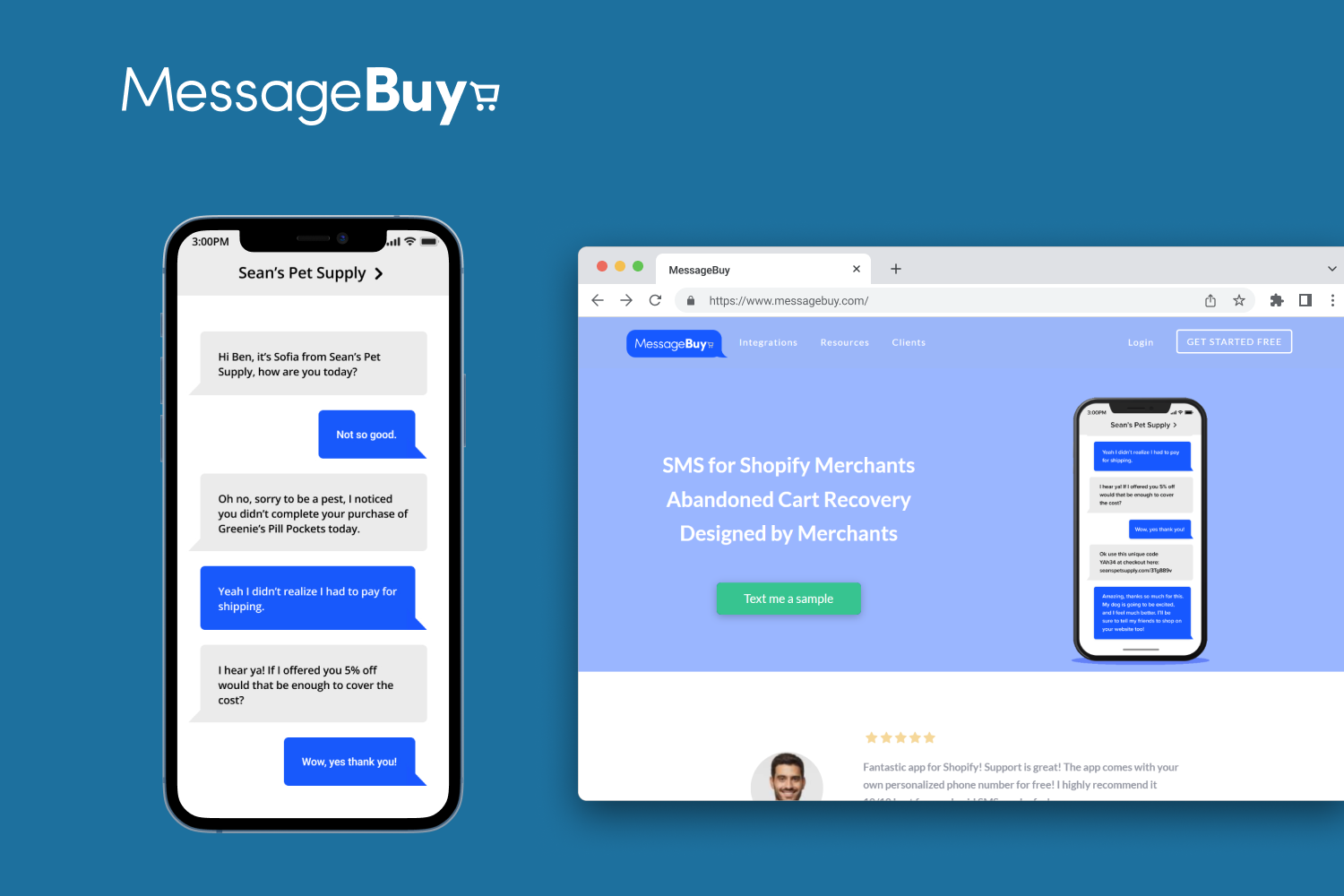
9. ERP-Lite for an Underserved Vertical
Problem: Many small businesses outgrow spreadsheets but do not need — or cannot justify — a traditional ERP implementation.
Solution: Build a focused operations system that combines only the modules one niche needs: inventory, purchasing, jobs, suppliers, approvals, billing, and reporting.
Why now: Vertical SaaS can package industry workflows into a simpler product with faster onboarding than a general ERP.
Best for: Small manufacturers, distributors, specialty contractors, equipment rental firms, niche wholesalers.
Monetization: $100–$1,000+/month depending on users, locations, and transaction volume.
Difficulty: High. ERP data becomes mission-critical, so migrations, permissions, reporting, and integrations require serious engineering.
10. AI-Assisted Content Operations Tool
Problem: Content teams do not only need text generation. They need briefs, approvals, brand rules, source management, repurposing, publishing workflows, and performance feedback.
Solution: Build a content operations platform for one type of team. Use AI for research assistance, repurposing, tagging, QA checks, and draft transformations while keeping approvals and brand governance explicit.
Why now: Generic AI writing is commoditized. Workflow, proprietary context, governance, and distribution integrations are where a defensible SaaS product can still win.
Best for: SEO teams, B2B content teams, multi-location brands, agencies, regulated content teams.
Monetization: $29–$199/user/month or usage-based AI credits.
Difficulty: Medium. AI integration is accessible; creating a workflow people prefer over existing tools is the challenge.
11. HR Operations SaaS for Growing SMBs
Problem: Growing companies need onboarding, leave management, document collection, performance cycles, and employee records before they are ready for a large HRIS.
Solution: Create an HR operations product for companies at a specific stage or in a specific industry. Automate onboarding checklists, document reminders, policy acknowledgments, and manager workflows.
Why now: Distributed hiring and compliance complexity make manual HR administration expensive, while smaller teams still want a lightweight system.
Best for: Companies with 20–300 employees, agencies, startups, distributed teams.
Monetization: $3–$12/employee/month, with minimum company plans.
Difficulty: Medium-High. Personal data, permissions, regional rules, and integrations require careful design.
 Services Account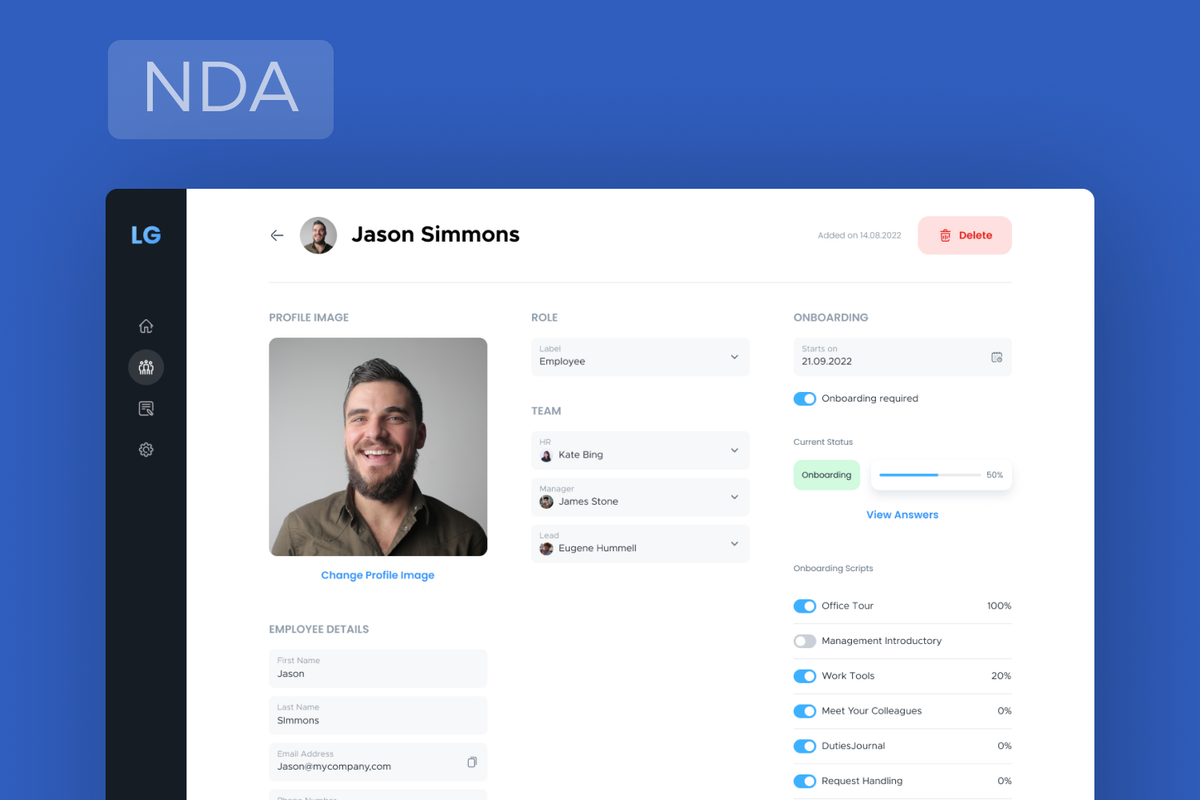
12. E-commerce Operations SaaS
Problem: Store owners often manage inventory exceptions, returns, reviews, promotions, suppliers, and marketplace data in separate tools.
Solution: Choose one operational pain point and own it end to end — for example, return intelligence, supplier replenishment, marketplace listing QA, or post-purchase issue detection.
Why now: E-commerce platforms have rich ecosystems, but merchants still buy specialized apps when the tool directly protects margin or saves operator time.
Best for: Shopify and marketplace sellers, DTC brands, e-commerce agencies.
Monetization: $19–$299/month, often tiered by order volume or GMV.
Difficulty: Medium. Platform APIs make entry easier, but competition and dependency on platform policies are significant.
13. Healthcare Administration SaaS
Problem: Independent practices spend large amounts of time on scheduling, intake, documentation, billing coordination, and patient communication.
Solution: Build a narrow administrative product rather than a broad clinical platform: intake automation, referral tracking, appointment preparation, document collection, or post-visit follow-up.
Why now: Healthcare organizations continue to look for automation that reduces administrative work. A narrow workflow can create value without attempting to replace the EHR.
Best for: Independent practices, therapy groups, specialty clinics, allied health providers.
Monetization: $50–$500+/month per practice, depending on users and workflow volume.
Difficulty: High. Privacy, security, compliance, and integration requirements raise the bar substantially.
 Services Account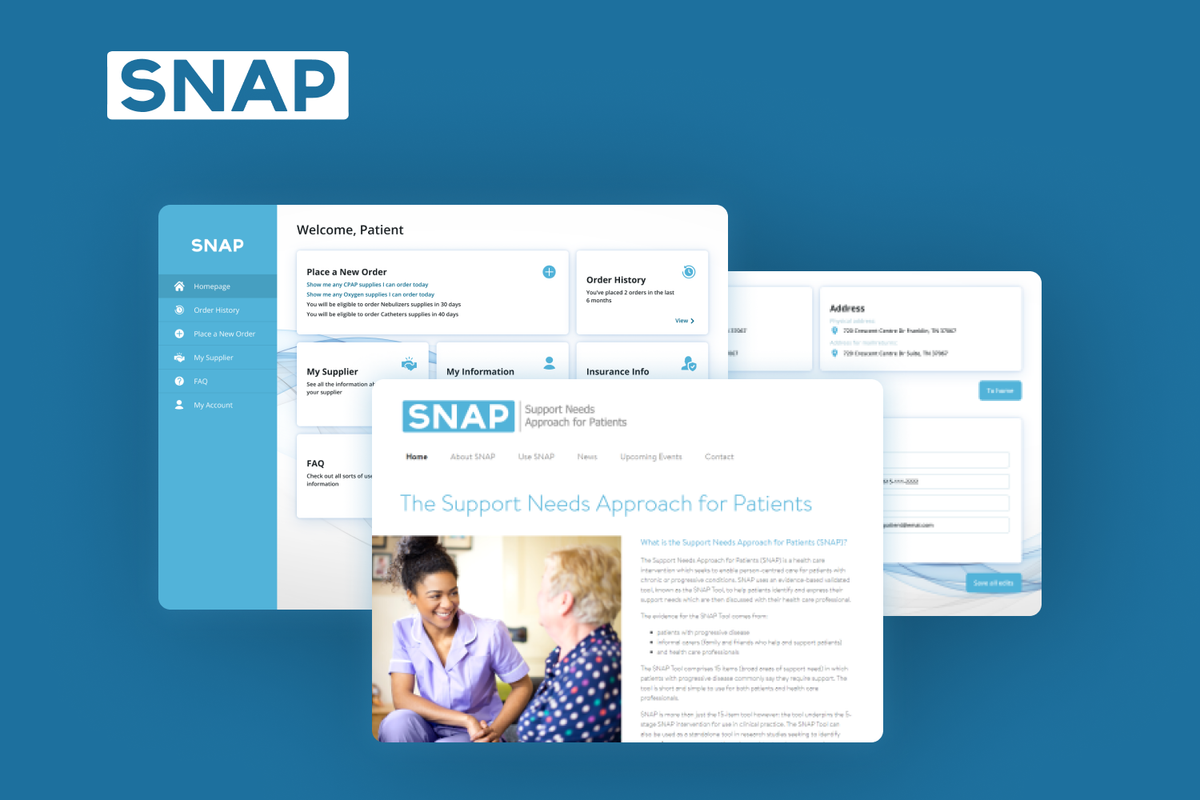
14. E-learning SaaS for Cohort and Expert-Led Programs
Problem: Experts and small training businesses often combine video hosting, Zoom, spreadsheets, communities, quizzes, and payments to run one program.
Solution: Create a focused learning operations platform with cohort scheduling, assignments, progress, certificates, live-session management, AI-assisted feedback, and billing.
Why now: Generic LMS platforms can be too heavy for cohort courses and professional training. AI can support feedback and content transformation, but the real value is smooth operations.
Best for: Bootcamps, coaches, professional educators, certification programs, internal academies.
Monetization: $49–$499/month depending on active learners and features.
Difficulty: Medium. Core functionality is manageable; video, assessments, and payments add scope.
 Services Account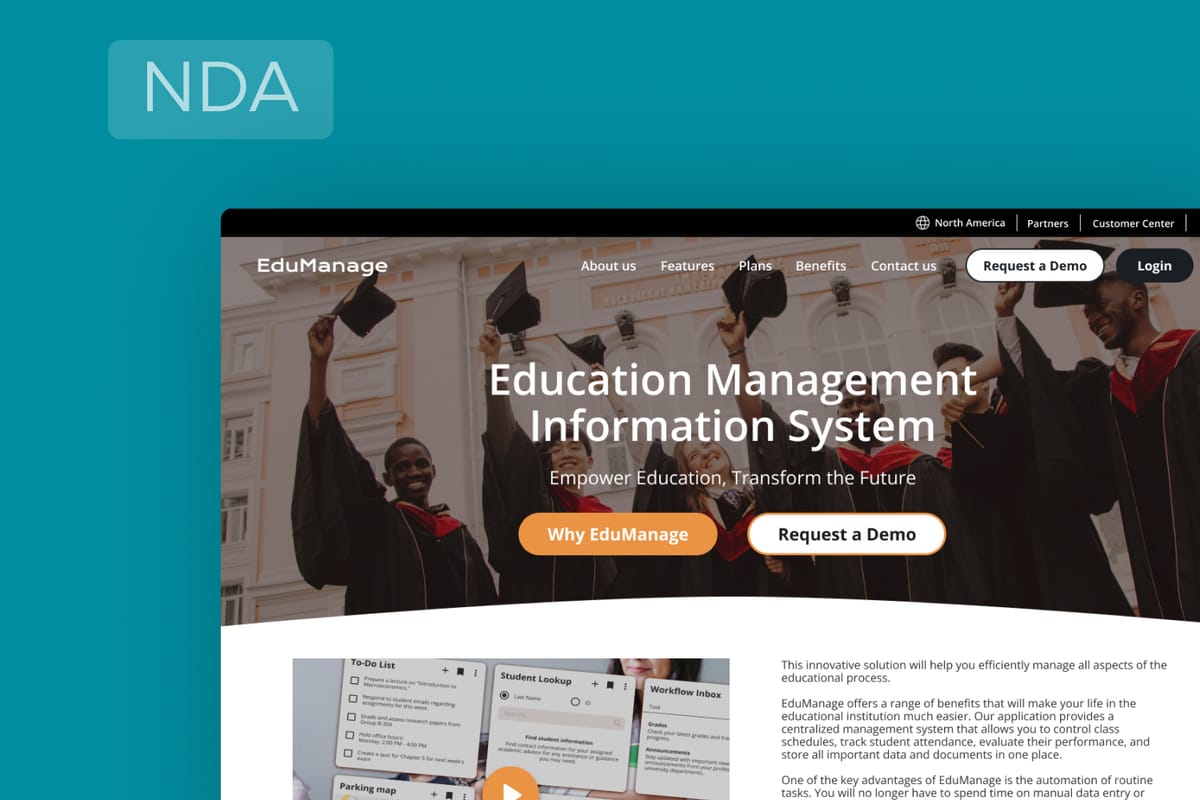
15. Property Management SaaS for Small Portfolios
Problem: Small landlords and property managers often juggle tenant communication, maintenance requests, inspections, documents, payments, and contractor coordination across separate systems.
Solution: Build a property operations hub for a specific portfolio type: short-term rentals, student housing, small commercial property, HOAs, or landlords with 10–100 units.
Why now: Property operations contain repetitive, document-heavy workflows that are ideal for automation, while smaller operators may find enterprise platforms excessive.
Best for: Independent property managers, landlords, HOAs, boutique commercial operators.
Monetization: Per-unit pricing or plans from $29–$299/month.
Difficulty: Medium-High. Payments, tenant data, notifications, and accounting integrations add complexity.
 Services Account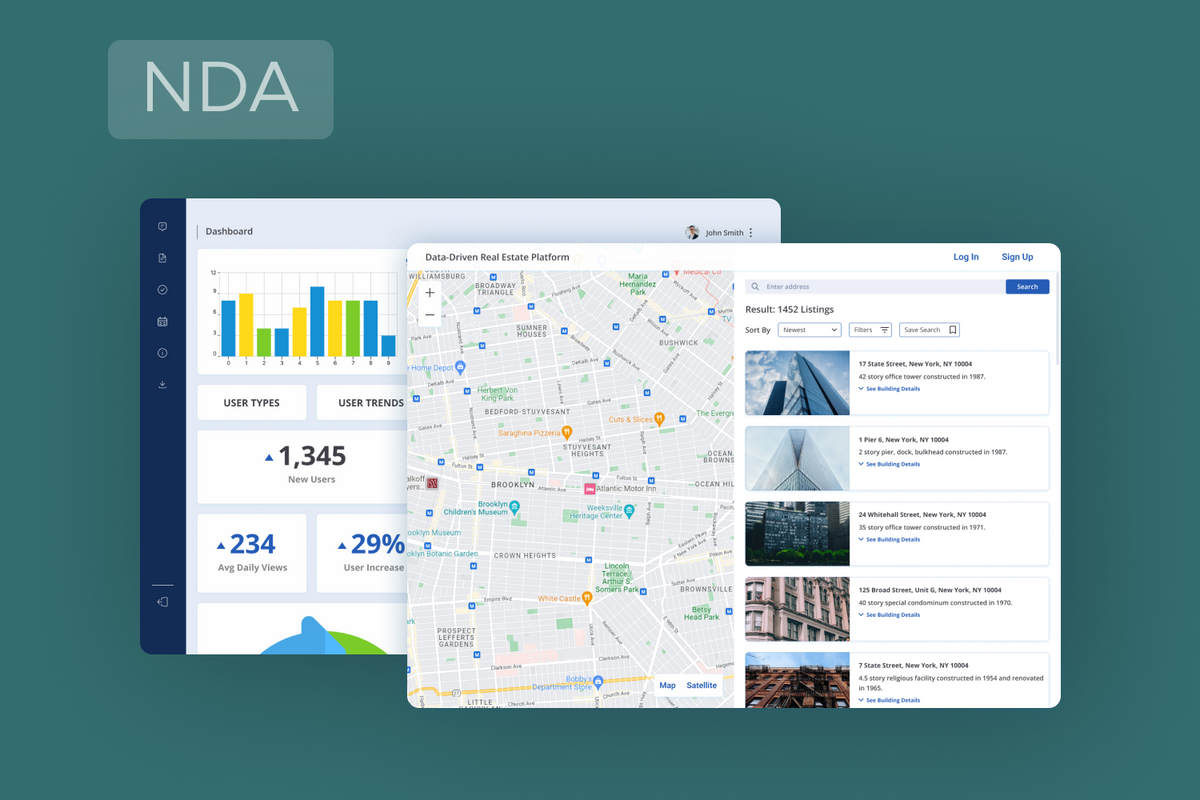
16. AI Workflow Agent for a Repetitive B2B Process
Problem: Teams still spend hours moving information between inboxes, CRMs, spreadsheets, ticketing tools, and internal systems. Traditional automation breaks when inputs are unstructured.
Solution: Build an AI agent around one bounded workflow: qualify inbound leads, prepare renewals, triage support requests, reconcile documents, or prepare account reviews. Keep permissions and human approval explicit.
Why now: LLMs are increasingly capable of reading unstructured inputs and using tools, but generic “do everything” agents remain hard to control. Narrow, measurable workflows are a better SaaS wedge.
Best for: Sales ops, customer success, finance ops, support teams, agencies.
Monetization: $99–$1,000+/month, often combining base subscription and usage.
Difficulty: High. Tool calling, state, evaluation, observability, permissions, and failure recovery must be production-grade.
 Services Account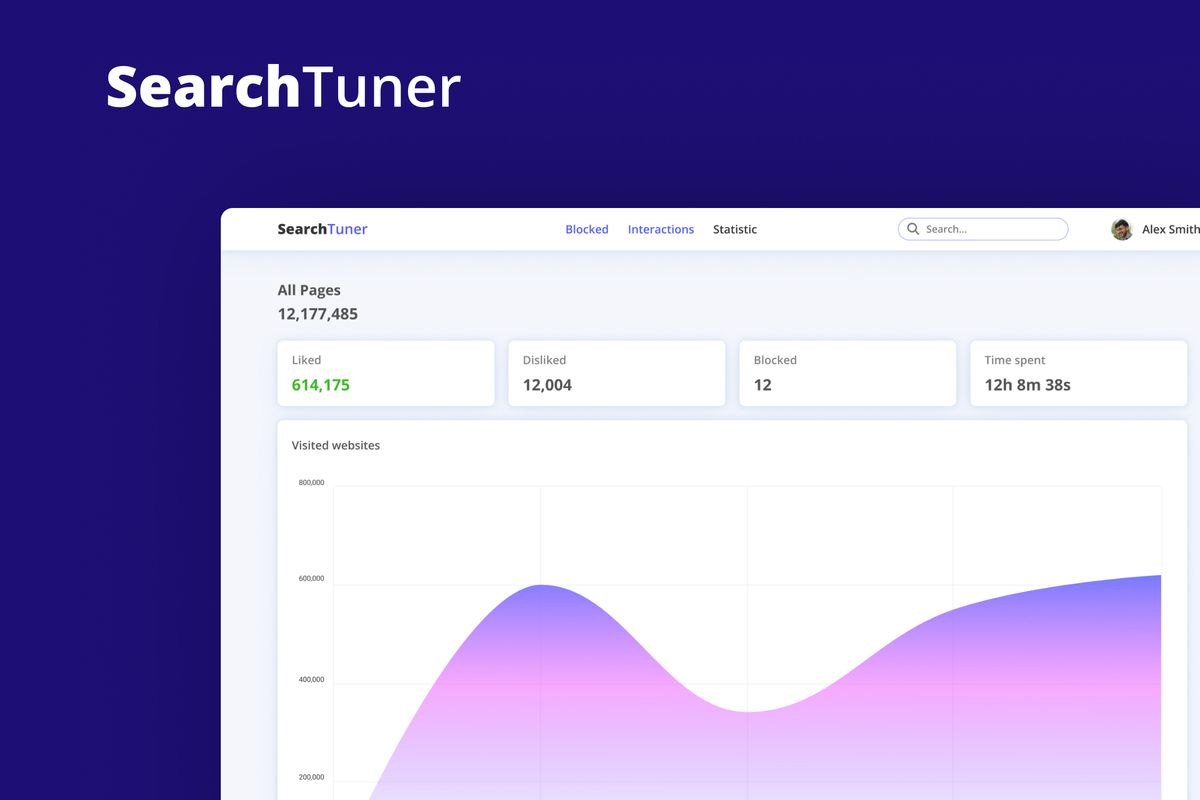
17. Compliance Evidence and Renewal Tracker
Problem: SMBs pursuing SOC 2, ISO 27001, industry certifications, vendor reviews, or recurring licenses repeatedly collect the same evidence and chase owners for updates.
Solution: Create a compliance workspace for one framework or vertical. Track controls, evidence, owners, renewal dates, policy changes, and recurring requests; use AI to classify documents and flag missing evidence.
Why now: Compliance is recurring, deadline-driven work with clear consequences when it is missed. Focused products can serve customers that find broad GRC suites too expensive.
Best for: SaaS companies, agencies, healthcare vendors, contractors, regulated SMBs.
Monetization: $99–$999/month depending on framework, users, and integrations.
Difficulty: Medium-High. The workflow is attractive, but customers expect strong security and accurate framework mapping.
18. Field Service Quote-to-Cash SaaS
Problem: Small field-service businesses often lose margin between the first site visit and final payment because estimates, photos, approvals, schedules, change orders, and invoices live in different places.
Solution: Build a mobile-first workflow from lead to quote to job completion to invoice. Add photo documentation, e-signatures, customer approvals, and AI-assisted estimate or job-summary generation.
Why now: Many trades have strong willingness to pay for software that reduces admin and speeds up cash collection. Vertical workflows also create natural expansion opportunities.
Best for: Specialty contractors, installers, maintenance companies, inspectors, repair businesses.
Monetization: $49–$199/user/month or company plans with payment add-ons.
Difficulty: Medium-High. Mobile UX, offline behavior, payments, and scheduling make the product more involved.
19. Customer Feedback Intelligence SaaS
Problem: Product teams collect feedback from reviews, support tickets, interviews, NPS comments, communities, and sales calls, but manually tagging everything is slow and inconsistent.
Solution: Aggregate feedback from a few key sources, cluster recurring problems, connect themes to customer segments or revenue, and produce evidence-backed product insights.
Why now: LLMs make semantic classification and summarization far cheaper than before. The opportunity is not another sentiment chart — it is linking qualitative evidence to decisions.
Best for: SaaS product teams, e-commerce brands, customer experience teams, research agencies.
Monetization: $99–$499/month based on sources, seats, and feedback volume.
Difficulty: Medium. AI analysis is accessible; trustworthy clustering, integrations, and source traceability are the differentiators.
20. SaaS Spend and AI Usage Governance Tool
Problem: Companies now pay for dozens of SaaS subscriptions plus usage-based AI services. Finance and IT teams struggle to see who owns each tool, whether it is used, and how variable AI spend is growing.
Solution: Create a lightweight spend governance product that discovers subscriptions, assigns owners, tracks renewals, monitors AI/API usage, and flags unused seats or abnormal cost growth.
Why now: Software spend is becoming more dynamic as usage-based AI enters the stack. Teams need visibility before renewal season, not after the invoice arrives.
Best for: Startups, SMB finance teams, IT managers, agencies managing multiple client stacks.
Monetization: $99–$999/month based on spend, employees, or connected accounts.
Difficulty: Medium-High. Banking/accounting integrations and reliable normalization are the main technical challenges.
How We Ranked These B2B SaaS Ideas
This list is not a promise that every idea has an empty market. In fact, a complete lack of competitors can be a warning sign. We prioritized concepts using five practical filters:
- Pain intensity: does the problem cost users time, money, revenue, or compliance risk?
- Frequency: does the workflow happen often enough to support recurring software value?
- Reachable buyer: can a founder identify and contact the people who experience the problem?
- MVP feasibility: can the core value be demonstrated without building a giant platform first?
- Expansion potential: can the product later add integrations, automation, seats, usage, or adjacent workflows?
Difficulty is deliberately separate from attractiveness. A high-difficulty idea can still be excellent if the founder has domain access, capital, and engineering expertise. A low-difficulty idea can still fail if distribution is weak.
How to Evaluate Your SaaS Idea Before You Build It
A good SaaS idea is not one that sounds original. It is one that survives contact with real users. Before committing to development, score your idea from 1 to 5 on each question below.
Do not treat the score as mathematical truth. Use it to expose weak assumptions. If the idea scores poorly on urgency or buyer access, adding more features will not rescue it.
Hot SaaS Trends to Watch in 2026
AI-Native Vertical SaaS
The strongest AI opportunities are moving from generic chat interfaces toward industry-specific workflows. The winning product often combines a normal SaaS system of record with AI for unstructured work.
Agentic Workflows With Human Approval
Agents are useful when they can complete bounded multi-step tasks, but production products need permissions, observability, stopping rules, and approval gates for consequential actions.
Usage-Based and Hybrid Pricing
AI inference and automation create variable product costs, so more SaaS businesses are combining a base subscription with usage, credits, transactions, or outcome-linked tiers.
Smaller, More Focused Products
AI-assisted development lowers the cost of shipping. That increases competition, making niche knowledge, distribution, and workflow depth more important than raw feature count.
Integration as a Product Feature
Customers do not want another isolated dashboard. SaaS products that fit cleanly into CRM, accounting, communication, and data stacks can create value faster.
Governance and Trust
Security, auditability, privacy, AI evaluation, and clear ownership of automated actions are becoming product requirements rather than enterprise-only extras.
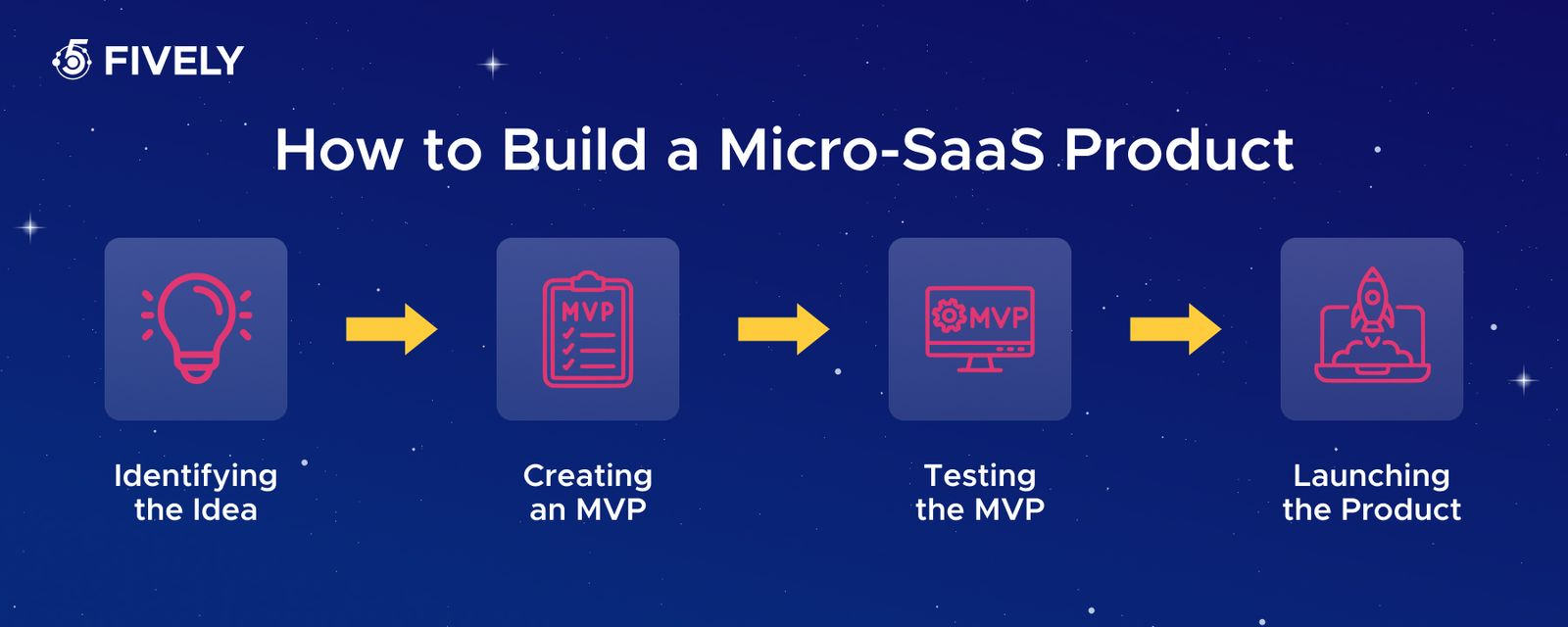
How to Build a Micro SaaS Application
1. Identify and Validate the Business Idea
Start with a workflow, not a feature list. Interview potential users, watch how they solve the problem today, and identify the workaround: spreadsheets, email, assistants, generic software, or manual labor. The workaround tells you both the pain and your real competitor.
Before development, test willingness to pay with a landing page, clickable prototype, concierge service, or pre-sale. Ten enthusiastic compliments are less useful than one customer willing to pilot the product.
2. Create a Focused MVP
The MVP should prove the riskiest part of the business. For a feedback intelligence tool, that may be importing two data sources and producing trustworthy themes. For a field-service SaaS, it may be quote → approval → invoice. Do not build the full roadmap just to learn whether the core workflow matters.
For a deeper process, see Fively’s MVP development guide and MVP development services.
3. Test the MVP With Real Users
Measure behavior, not only feedback. Track activation, time-to-value, repeated use, task completion, retention, and whether the product replaces the old workaround. For B2B SaaS, interview both the daily user and the economic buyer when they are different people.
Fix the biggest source of friction first. If users do not reach the core value, adding secondary features only gives them more places to get lost.
4. Launch, Price, and Iterate
A SaaS launch is the beginning of the feedback loop. Start with a pricing model that reflects how customers receive value — per seat, per account, per unit, usage-based, transaction-based, or hybrid. Watch gross margin if AI or third-party APIs create variable costs.
After launch, prioritize retention before feature volume. A small product that solves one recurring problem exceptionally well has a stronger foundation than a broad platform users try once.
How Do I Create a SaaS Business?
Turning an idea into a SaaS business requires more than development. You need a reachable market, a repeatable acquisition channel, pricing that supports your delivery costs, onboarding that gets users to value quickly, and a product roadmap driven by retention rather than requests from the loudest prospect.
- Choose a narrow initial customer profile and document the exact job they are hiring the product to do.
- Validate the problem and willingness to pay before building a large scope.
- Define an MVP around one measurable outcome.
- Select a SaaS architecture that can support authentication, tenant isolation, billing, observability, and future integrations.
- Launch to a small group, instrument the product, and study activation and retention.
- Improve the core workflow before expanding into adjacent features.
- Build repeatable acquisition through content, partnerships, outbound, marketplaces, communities, or product-led growth.
- Track unit economics: acquisition cost, gross margin, churn, expansion, support cost, and infrastructure/AI usage.
If you need a technical partner, Fively provides SaaS development services covering product discovery, architecture, engineering, integrations, modernization, and post-launch evolution.
Final Thoughts
The best SaaS ideas in 2026 are not necessarily the most futuristic. They are the ones attached to a real workflow, a clear buyer, and a problem painful enough to create recurring value.
AI has lowered the cost of prototyping and opened new categories of automation, but it has also made generic software easier to copy. That pushes founders toward stronger fundamentals: niche expertise, distribution, proprietary context, excellent UX, trustworthy automation, and measurable ROI.
Pick a lane you understand, validate the pain before the platform, and build the smallest product that can prove customers will come back. That is still the most reliable way to turn a SaaS idea into a business.
 Services Account
Need Help With A Project?
Drop us a line, let’s arrange a discussion


